

Beyond being a region of stunning natural beauty, the Ardèche holds many secrets. This unique department is brimming with fascinating stories that invite visitors to step back in time.
In this article, we explore the history of this region, from prehistoric times to the present day. We take you on a journey through the centuries to help you discover the unique character of the Ardèche.
The Prehistoric Origins of the Ardèche: At the Roots of Humanity
The Ardèche is one of the regions with the highest concentration of prehistoric sites. It is home to the Chauvet Cave, a UNESCO World Heritage Site. This marvel, dating back more than 36,000 years, contains cave paintings that are now considered the oldest ever discovered.
These ancient works offer a rare glimpse into the lives of the Ardèche’s earliest inhabitants. Although the Chauvet Cave is currently closed to the public, you can visit the Pont d’Arc Cave (Chauvet Cave 2), which is a faithful replica of the original. Visitors can explore the treasures of this cave without causing any damage.
The ancient heritage of the Helvetii and the Romans
In ancient times, the Ardèche was inhabited by the Helviens, a Gallic tribe. Their territory was later conquered by the Romans, who left a lasting legacy. Villages like Alba-la-Romaine let you admire the remains of Gallo-Roman culture, with an ancient theater, thermal baths, and mosaics that bear witness to their cultural influence. This town will give you a glimpse into the daily life of the people of the Ardèche.
The Middle Ages: the construction of fortified villages and Romanesque churches
The Middle Ages left a profound mark on the Ardèche region with its Romanesque churches and cultural heritage. A prime example is the village of Balazuc, which is listed among “The Most Beautiful Villages of France” and perfectly exemplifies this era. Perched on a cliff, it features cobblestone streets and stone houses typical of the period. The villages situated on the heights served as true bastions, protecting the inhabitants from invasions and local conflicts.
The Renaissance and the Economic Boom in the Ardèche
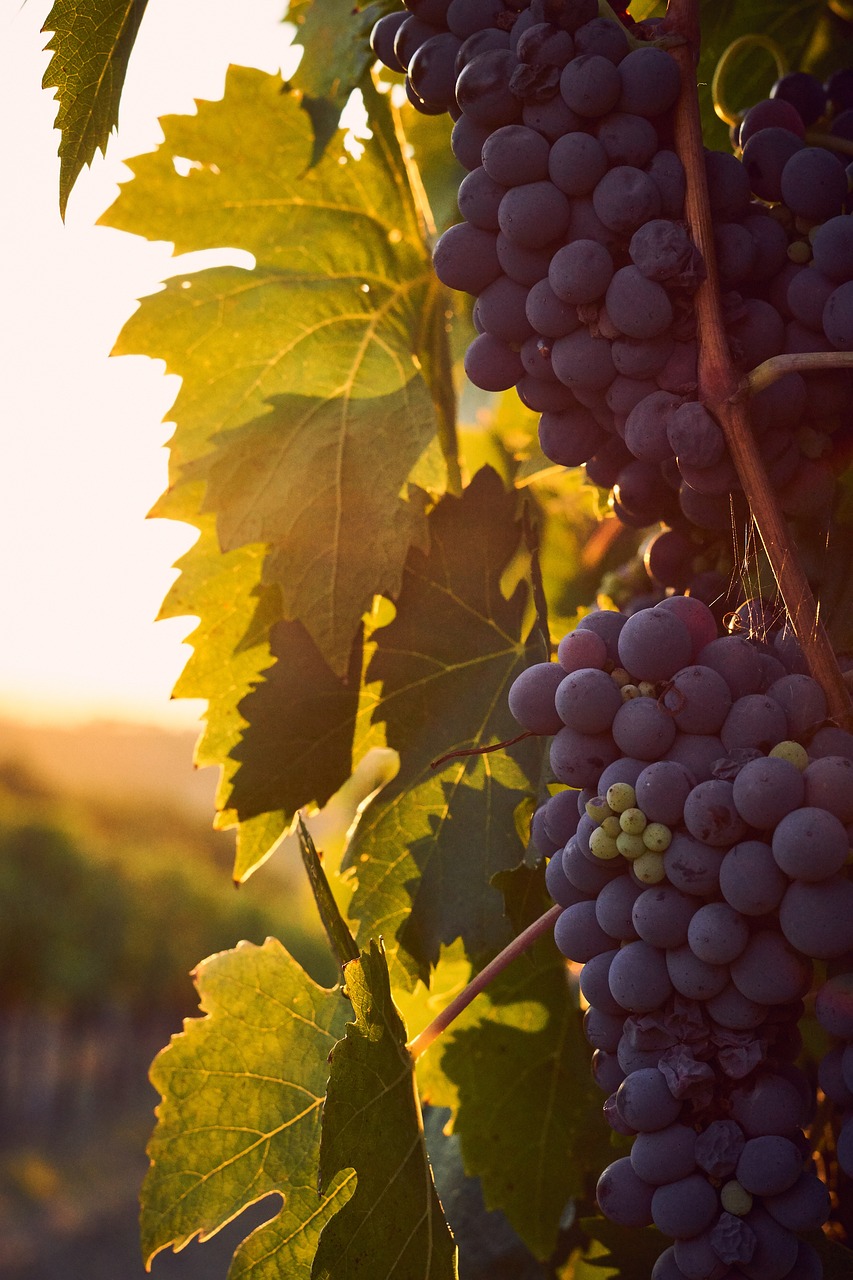
The Renaissance had a subtle impact on the Ardèche region, but it nevertheless enabled the region to develop its silk and wine industries. Several villages, such as Viviers, managed to thrive in these various fields. Viviers also saw the construction of Saint-Vincent Cathedral during this period. The cathedral exemplifies the artistic richness of the era with a style that blends Gothic and Romanesque elements.
The 18th Century: Gourdan Castle and the Enlightenment
During this period, the Ardèche entered a new era marked by majestic buildings and the influence of the Enlightenment. One of the symbols of this era is Château Gourdan, a perfect example of classical architecture.
This estate is located in Saint-Clair and is surrounded by expansive gardens that reflect the aristocratic lifestyle of the era. Numerous events are held at the foot of the castle, which provides an idyllic setting for weddings, family gatherings , and more. It is the perfect place to host a wedding in a castle in the Ardèche.
The Contemporary Era: The Theater of Modernity and Preservation
The Ardèche region took advantage of the Industrial Revolution to transform its economy. The arrival of the railroad greatly boosted trade and commerce in the region. Today, the region strives to be modern while preserving as much of its heritage and breathtaking natural setting as possible. Sites like the Pont d'Arc are symbols of this, showcasing their history and traditions.
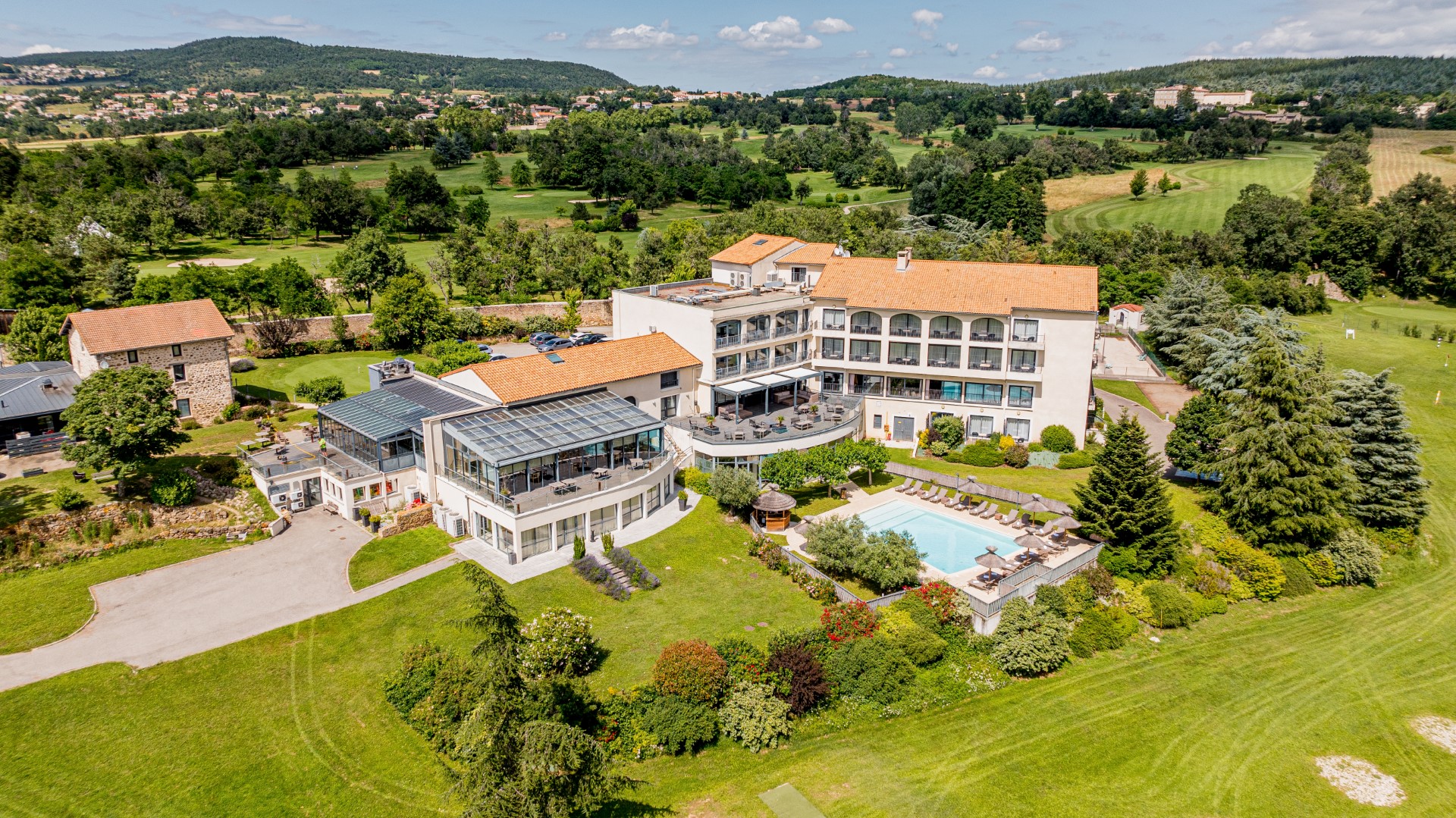
We encourage you to come and explore this region, which blends history and natural beauty. To ensure you have a pleasant stay, we invite you to stay at our Saint-Clair estate. We offer high-quality accommodations with top-notch services. Feel free to explore all our options on our website.